
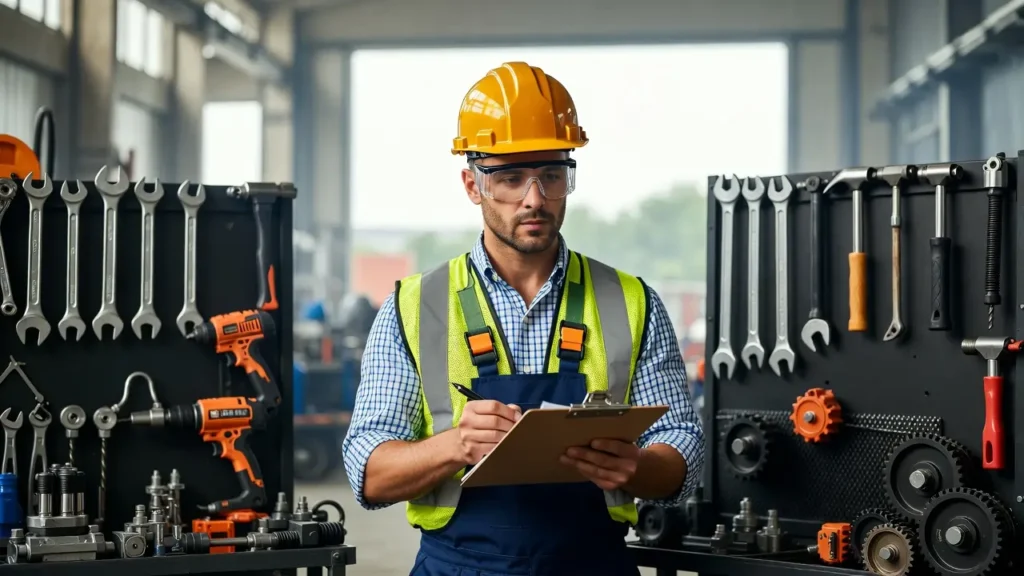
Mechanical systems are the backbone of any modern building. From heating and cooling to ventilation, piping, and industrial equipment, these systems must work perfectly to keep people safe, comfortable, and productive.
This is where a professional mechanical contractor becomes essential. Whether you are constructing a new commercial facility, upgrading an existing building, or maintaining complex industrial systems, a mechanical contractor ensures everything is designed, installed, and operated correctly.
They bring technical expertise, hands-on experience, and compliance knowledge to manage critical mechanical work efficiently.
Understanding when you need a mechanical contractor and what they actually do can help you avoid costly mistakes, improve system performance, and ensure long-term reliability for your project.
What Is a Mechanical Contractor, and What Do They Do?
A mechanical contractor is a licensed professional responsible for the installation, maintenance, and repair of mechanical systems.
They handle complex systems that control temperature, airflow, water, pressure, and fire safety across industrial, commercial, and AI data center projects. Their work ensures performance, energy efficiency, and compliance with building codes and safety standards.
Mechanical contractors specialize in managing both standard and advanced mechanical infrastructure, including:
- HVAC (Heating, Ventilation, and Air Conditioning)
Design, install, and service heating and cooling systems to maintain indoor air quality, thermal comfort, and energy efficiency. - Plumbing Systems
Install and maintain water supply, drainage, and pressurized piping systems for residential, commercial, and industrial facilities. - Refrigeration Systems
Manage cold storage and temperature-controlled systems used in food processing, pharmaceuticals, and data-driven environments. - Piping and Mechanical Fabrication
Handle industrial piping, expansion joints, flange connections, welding, cutting, insulation, and pressure testing to support heavy-duty operations. - Fire Protection Systems
Install and maintain fire sprinklers, pumps, and safety mechanisms to protect people, equipment, and property.
In large-scale projects, mechanical contractors work closely with architects, engineers, and construction teams to ensure all mechanical systems integrate smoothly. Their expertise is especially critical in high-performance environments like AI data centers, where precision, reliability, and uninterrupted operation are essential.
When Should You Hire a Mechanical Contractor?
You should hire a mechanical contractor when your project involves complex mechanical systems that require professional planning, installation, or maintenance. For new construction, system upgrades, or equipment replacement, expert handling is essential to ensure safety, efficiency, and long-term performance.
Mechanical contractors are also necessary for HVAC optimization, industrial piping, fire protection, and high-demand environments such as AI data centers. If your facility experiences frequent breakdowns, energy inefficiency, or compliance issues, professional support becomes crucial.
Siam Engineering Private Limited provides experienced mechanical contracting services, delivering reliable, code-compliant solutions that protect your investment and keep your operations running smoothly.
What kind of skills should a mechanical contractor have?
A mechanical contractor must combine technical expertise with practical experience to manage complex mechanical systems safely and efficiently. Strong problem-solving ability, industry knowledge, and coordination skills are essential to deliver reliable, high-performance results across industrial, commercial, and data-driven projects.
Key Skills of a Mechanical Contractor:
- HVAC system installation and optimization
- Mechanical and industrial piping expertise
- Plumbing and refrigeration system knowledge
- Fire protection system installation and compliance
- Equipment maintenance and troubleshooting
- Blueprint reading and technical documentation
- Safety standards and building code compliance
- Project coordination and team collaboration
- Energy efficiency and system performance optimization
What Is the Difference Between a Mechanical Contractor and a Mechanical Engineer?
A mechanical engineer focuses on the design, analysis, and planning of mechanical systems. They create system layouts, calculations, and technical specifications for HVAC, plumbing, piping, and industrial equipment. Their role is mainly office- and design-based, ensuring systems meet performance, safety, and efficiency standards before installation begins.
mechanical contractor
A mechanical contractor, on the other hand, is responsible for the execution of the work on-site. They install, operate, maintain, and repair the systems designed by engineers. Mechanical contractors manage labor, equipment, materials, and safety while ensuring the project is completed according to drawings, codes, and timelines.
In simple terms, engineers design the system, and contractors bring it to life through expert installation and ongoing maintenance.
What is the benefits of hiring a mechanical contractor?
It has many benefits when you hire them:
1. Specialized Technical Expertise
Mechanical systems are the “circulatory system” of a building. A licensed contractor brings deep knowledge of complex engineering codes, fluid dynamics, and thermodynamics. They understand how these systems interact, ensuring your building operates as a cohesive unit.
2. Comprehensive Project Management
A mechanical contractor oversees everything from design and procurement to installation and testing. This “single point of responsibility” reduces the stress of managing multiple vendors and ensures the project stays on track.
3. Cost Efficiency and Accuracy
While the upfront cost might seem higher, professional contractors prevent expensive mistakes. They provide accurate estimates, prevent “scope creep,” and have the purchasing power to get better deals on high-end equipment and materials.
4. Enhanced Energy Efficiency
Modern mechanical contractors focus on sustainability. They can design systems that minimize energy consumption, reducing your long-term utility bills and lowering the building’s carbon footprint.
5. Compliance and Safety
Mechanical work involves high-pressure systems, electrical components, and heavy machinery. Professionals ensure all work meets local building codes and OSHA safety standards, protecting you from legal liabilities and workplace accidents.
6. Access to Advanced Technology
From BIM (Building Information Modeling) to smart automation systems, mechanical contractors use the latest tools to visualize the project before a single pipe is laid. This results in precision that manual planning simply can’t match.
7. Superior Indoor Air Quality (IAQ)
Proper ventilation is critical for the health of a building’s occupants. A mechanical contractor ensures that air filtration and exchange systems are sized correctly to remove pollutants, allergens, and moisture, preventing issues like mold growth.
8. Streamlined Maintenance and Longevity
Systems installed by professionals last longer. Most contractors also offer preventative maintenance plans, catching small issues (like a worn belt or a minor leak) before they turn into catastrophic system failures.
9. Risk Mitigation
Mechanical contractors carry specialized insurance (such as general liability and workers’ comp). If something goes wrong during the installation or a worker is injured, the financial risk remains with the contractor, not the property owner.
10. Scalability for Future Growth
A good contractor doesn’t just build for today; they design systems that can be expanded. If you plan to add a new wing to your facility or upgrade your production line in five years, they ensure the initial mechanical infrastructure can handle that growth.
Comparison: Professional vs. General Labor
| Feature | Mechanical Contractor | General Handyman/Labor |
| Licensing | Specialized & Rigorous | General or Minimal |
| Design Phase | Custom Engineering | Standard Replacement |
| Equipment | Commercial Grade | Residential/Retail Grade |
| Warranty | Full Manufacturer + Labor | Often Limited or None |
Why Licensing Requirements Matter in Mechanical Contracting
Licensing proves a contractor has mastered complex safety codes and engineering standards, shielding you from dangerous malfunctions and legal liabilities. It transforms a risky gamble into a guaranteed standard of professional accountability.
Conclusion
Knowing when to hire a mechanical contractor helps ensure your project runs smoothly and safely. From installation to maintenance of HVAC, plumbing, and mechanical systems, their expertise prevents costly errors and delays.